 Bond Osteopathy
Tendinopathy
Achilles, patellar, gluteal, hamstring and shoulder tendon pain.
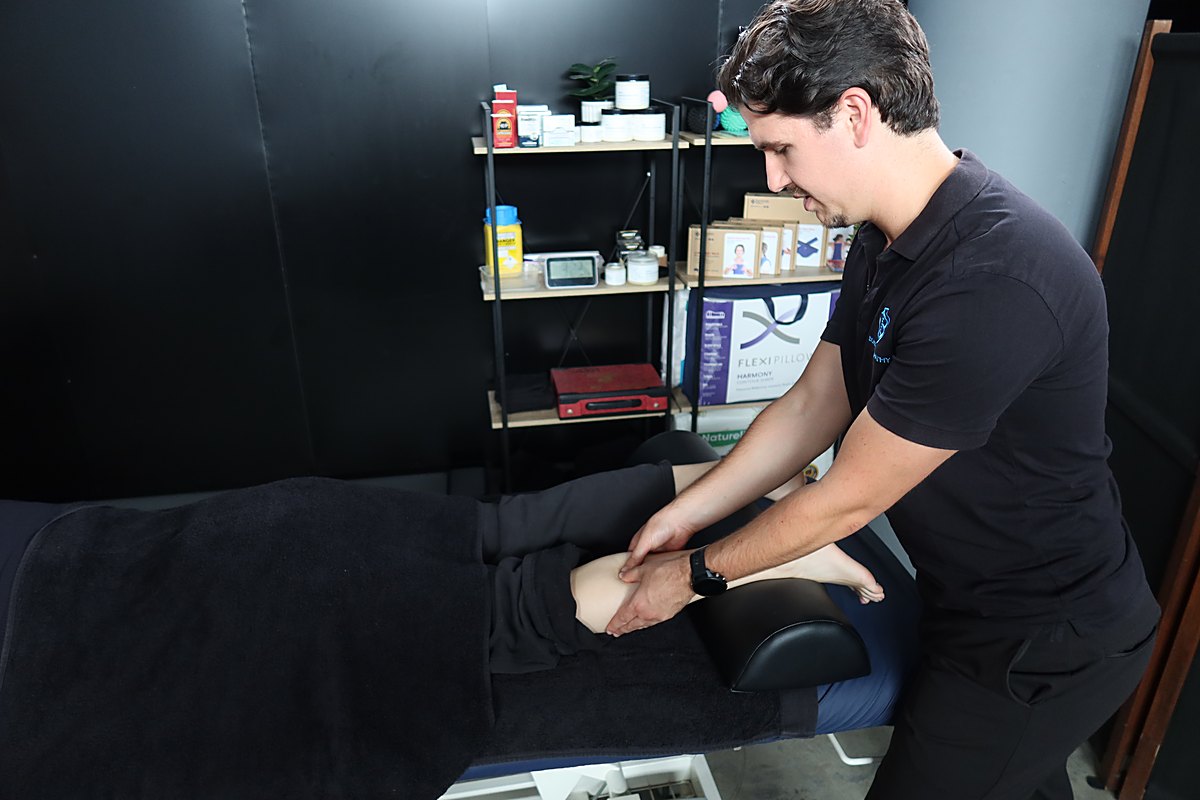
Tendinopathy is pain and reduced tolerance in a tendon, usually from doing more load than it’s currently used to. It tends to build gradually, lingers longer than people expect, and often flares just as you feel you’re getting on top of it. The good news is that tendons respond well to the right amount of load applied consistently over time, and most tendon pain improves with a clear, active plan.
What we commonly see
- Achilles tendinopathy (heel and lower calf), common in runners
- Patellar tendinopathy (front of the knee), sometimes overlapping with runner’s knee
- Gluteal tendinopathy (outside of the hip)
- Hamstring tendon pain (near the sit bone)
- Shoulder (rotator-cuff related) tendon pain, part of broader shoulder and arm pain
- Flare-ups when returning to running or training after a break
What we assess
Your appointment starts with a thorough history: how the pain came on, what makes it better or worse, and importantly your load and training history, so recent changes in activity, volume or new exercises, along with your goals. Then a physical assessment looks at the tendon and the whole chain around it, including how the area moves, your strength and control, and how the tendon responds to load, plus other checks where relevant to understand what’s driving your symptoms and to screen for anything that needs onward referral, such as a suspected tendon tear.
How we decide whether osteopathy is right for you
Osteopathy suits most load-related tendon pain, the kind that builds gradually and responds to graded loading over time. Part of the assessment is checking for the small number of presentations that need a different pathway (see “When to seek other care” below), such as a suspected complete tendon rupture. If osteopathy is a good fit, we’ll explain why and what the plan looks like, including realistic timeframes. If it isn’t, we’ll tell you honestly and help you find the right care.
What the first appointment involves
- A detailed history and a plain-English discussion of your problem, including your load history
- A physical assessment of the tendon and the surrounding chain, explained as we go
- A clear diagnosis and what’s likely driving it
- Hands-on treatment where appropriate, plus advice and a graded loading plan
- A plan you agree on together, with a sensible endpoint, not open-ended visits
Your first visit is a full initial consultation (around 60 minutes). Current fees and appointment lengths are shown when you book online.
Treatment options (and their limits)
Treatment is tailored to you and may include soft-tissue techniques, articulation and joint techniques, dry needling, cupping, and exercise rehabilitation. Hands-on care can help comfort and movement in the short term, but for tendinopathy the main drivers of recovery are graded loading, progressive strength work and sensible load management, which are the cornerstone of tendon recovery. There’s no single quick fix for a grumpy tendon, and consistency over weeks matters more than any single treatment. No technique is a guaranteed fix, and we’re upfront about realistic timeframes. You’re always in control, and nothing is done without your consent.
When to seek other care
Most tendon pain is not an emergency, but some presentations need prompt medical assessment. See your GP or urgent care rather than booking osteopathy first if you have: a sudden painful snap or pop in a tendon followed by weakness or an inability to push off or bear weight, which can indicate a complete tendon rupture; an obvious gap in the tendon or significant swelling and bruising; a tendon that becomes hot and red, or pain with fever or feeling generally unwell, which can suggest infection; or calf pain with redness, warmth and swelling along with shortness of breath, which can rarely signal a blood clot. These are uncommon, but they need medical assessment.
Common questions
Do I need a referral? No. You can book directly. If you have a GP care plan or a WorkCover, TAC or DVA claim, see the FAQ for what to bring.
Do I need a scan? Often not. Tendinopathy is usually diagnosed clinically, and imaging findings don’t always match symptoms. A scan is arranged when a specific concern such as a suspected tear needs ruling out.
How long will recovery take, and how many sessions? Tendons tend to be slow to settle, often over a few months rather than weeks, and progress depends on consistent loading more than the number of visits. We set out a plan with realistic timeframes after your assessment.
Can I keep training? Usually yes, in a modified form. For most tendons we adjust load rather than resting completely, using a level of activity the tendon tolerates and building from there. Complete rest often makes a tendon less able to handle load later.
Written and reviewed by Dr James Beninati (Osteopath), Bachelor of Health Science, Bachelor of Applied Science (Osteopathy), AHPRA registered. Last reviewed September 2026. More about James.
General information, not personal health advice. Sources: Healthdirect Australia on tendinopathy and tendon pain; Better Health Channel (Victoria) on managing soft-tissue injuries.