 Bond Osteopathy
Running Injuries
Runner's knee, shin pain, calf, Achilles and ITB niggles.
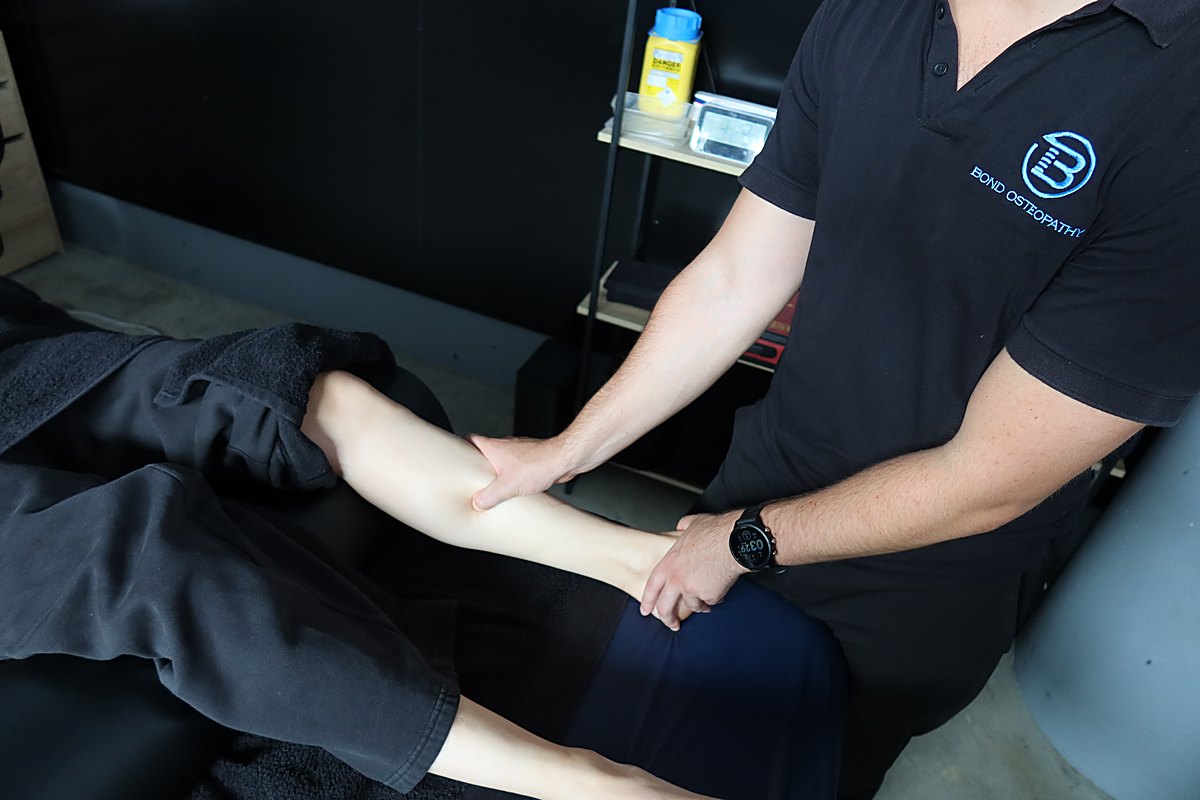
Running injuries are one of James’s favourite areas to work in, as a runner himself. Most running complaints come down to load: doing a little more than the body is currently ready for, whether that’s extra kilometres, faster sessions, hills or a return after time off. The good news is that most running injuries are not serious, and they often respond well to a clear plan that manages training load while you build tolerance.
What we commonly see
- Runner’s knee (patellofemoral pain) and kneecap-related pain, covered in our article on runner’s knee
- Shin pain and medial tibial stress (“shin splints”)
- Calf tightness, strains and tendon-related pain
- Achilles tendinopathy and heel pain
- ITB-related lateral knee or hip pain
- Foot and ankle niggles that flare with mileage
- Setbacks when returning to running after a break
What we assess
Your appointment starts with a thorough history: what happened, what makes it better or worse, and importantly your training and load history, so weekly kilometres, recent changes in pace or hills, footwear, surfaces and your running goals. Then a physical assessment looks at the sore area and the whole lower-limb chain, from foot and ankle to knee, hip and pelvis, including how you move, your strength and control, and, where relevant, other checks to understand what’s driving your symptoms and to screen for anything that needs onward referral, such as a suspected bone stress injury.
How we decide whether osteopathy is right for you
Osteopathy suits most load-related running injuries, the kind that change with training volume and settle with sensible management. Part of the assessment is checking for the small number of presentations that need a different pathway (see “When to seek other care” below), such as a suspected stress fracture or a significant tendon rupture. If osteopathy is a good fit, we’ll explain why and what the plan looks like. If it isn’t, we’ll tell you honestly and help you find the right care.
What the first appointment involves
- A detailed history and a plain-English discussion of your problem, including your training
- A physical assessment of the injured area and the wider chain, explained as we go
- A clear diagnosis and what’s likely driving it
- Hands-on treatment where appropriate, plus advice and a loading plan
- A plan you agree on together, with a sensible endpoint, not open-ended visits
Your first visit is a full initial consultation (around 60 minutes). Current fees and appointment lengths are shown when you book online.
Treatment options (and their limits)
Treatment is tailored to you and may include soft-tissue techniques, articulation and joint techniques, dry needling, cupping, and exercise rehabilitation. Hands-on care can help comfort and movement in the short term, but for running injuries the main drivers of recovery are graded loading, targeted strength work and managing your training load. We’ll usually adjust your running rather than stop it completely where that’s safe. No technique is a guaranteed fix, and we’re upfront about realistic timeframes. You’re always in control, and nothing is done without your consent.
When to seek other care
Most running injuries are not serious. See your GP or urgent care promptly, rather than booking osteopathy first, if you have: an inability to bear weight after an injury, or significant swelling or an obvious deformity; sudden severe calf pain, which can signal a muscle or tendon tear; a suspected complete tendon rupture (for example a sudden painful snap at the Achilles with weakness pushing off); or calf pain with redness, warmth and swelling, especially with shortness of breath, which can rarely signal a blood clot and needs prompt assessment. Focal bone pain that worsens with running and hurts at rest or night also warrants review.
Common questions
Do I need a referral? No. You can book directly. If you have a GP care plan or a WorkCover, TAC or DVA claim, see the FAQ for what to bring.
Do I need a scan? Often not. Many running injuries are diagnosed clinically and managed without imaging, though a scan is arranged when a specific concern such as a stress fracture needs ruling out.
How long will recovery take, and how many sessions? It depends on the injury, how long it’s been there and your goals, and we discuss it after your assessment. Load-related injuries usually improve over weeks with consistent loading rather than a fixed number of visits.
Can I keep running? Often yes, in a modified form. For many runners we adjust volume, pace and hills rather than stopping altogether, and build back up as symptoms allow. See our guide to returning to running.
Written and reviewed by Dr James Beninati (Osteopath), Bachelor of Health Science, Bachelor of Applied Science (Osteopathy), AHPRA registered. Last reviewed September 2026. More about James.
General information, not personal health advice. Sources: Sports Medicine Australia on managing sports injuries and training load; Better Health Channel (Victoria) on running and injury prevention.