 Bond Osteopathy
Dry Needling: What to Expect (and Do You Have to Have It?)
Written by Dr James Beninati (Osteopath)
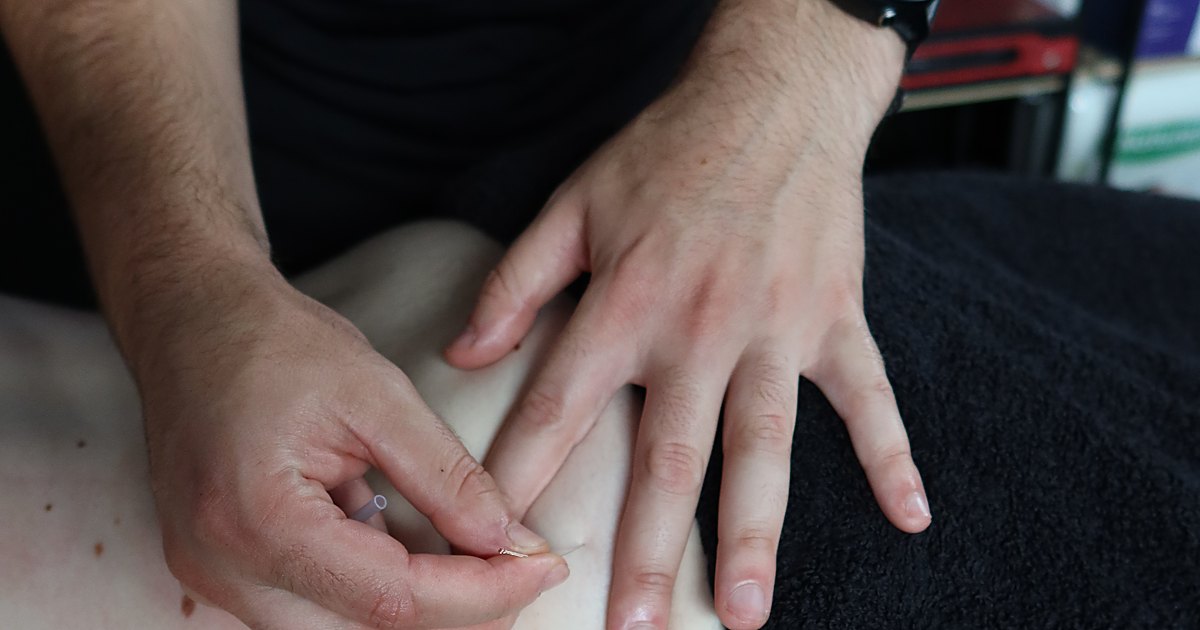
Dry needling comes up a lot in the clinic, and there’s plenty of uncertainty around it. Here’s a straightforward explanation of what it is, what to expect, and, importantly, why it’s always optional.
What is dry needling?
Dry needling uses fine, sterile filament needles placed into specific points in a muscle. It’s “dry” because nothing is injected. It’s used by registered osteopaths where appropriate, as one part of a broader plan based on your assessment, not a treatment on its own. You can read more on our dry needling and electro-dry needling page.
What about electro-dry needling?
In some cases a gentle electrical current can be applied through the needles (electro-stimulation). This creates a light, rhythmic pulsing sensation. Whether it suits you is discussed beforehand, like any technique.
What it may help with
- Neck and upper-back muscle tightness
- Low back pain with a muscular component
- Shoulder and rotator-cuff related symptoms
- Hip, glute and lower-limb muscle tightness, common in runners
What it feels like
Most people feel a brief ache or a small muscle twitch as the needle goes in, and sometimes mild local soreness afterward. Temporary tenderness, redness or minor bruising at the site can happen, and we always give aftercare advice. Serious side effects are rare. Where needling is near the chest, upper back or shoulder there is a very small risk of pneumothorax (air around the lung); we explain any risks relevant to your situation before you consent.
Do you have to have it? No.
This is the key point: dry needling is always your choice. If you’d prefer not to have needles, we simply use other hands-on techniques and exercise instead, and your care won’t suffer for it. We explain the options, why we’re suggesting something, and gain your consent before any technique. You can say no, or stop, at any time.
What an appointment involves
A thorough assessment and a clear explanation come first. If dry needling is a sensible option for you, we discuss the risks and benefits and only proceed with your consent. It’s always combined with advice and, usually, exercise.
When it may not be suitable
Dry needling isn’t right for everyone. We check your health history first, and it may be avoided or adapted in certain situations (for example some bleeding disorders, or around certain medical conditions). If it’s not suitable, we’ll use another approach.
References
- Osteopathy Australia on osteopathic techniques and scope.
- Better Health Channel (Victoria) for general musculoskeletal health information.
Curious whether it might help you? Based in Glen Iris, you can book online and we’ll talk it through first.
Written and reviewed by Dr James Beninati (Osteopath), Bachelor of Health Science, Bachelor of Applied Science (Osteopathy), AHPRA registered. Published 22 July 2026. More about James →
This article is general information, not personal health advice, and does not replace assessment by a qualified practitioner. If your symptoms are severe, worsening, or accompanied by red-flag signs (see each article's guidance), seek care from your GP or an appropriate health professional. For guidance on your situation, book an appointment.