 Bond Osteopathy
Headaches & Migraine
Tension-type and neck-related (cervicogenic) headaches.
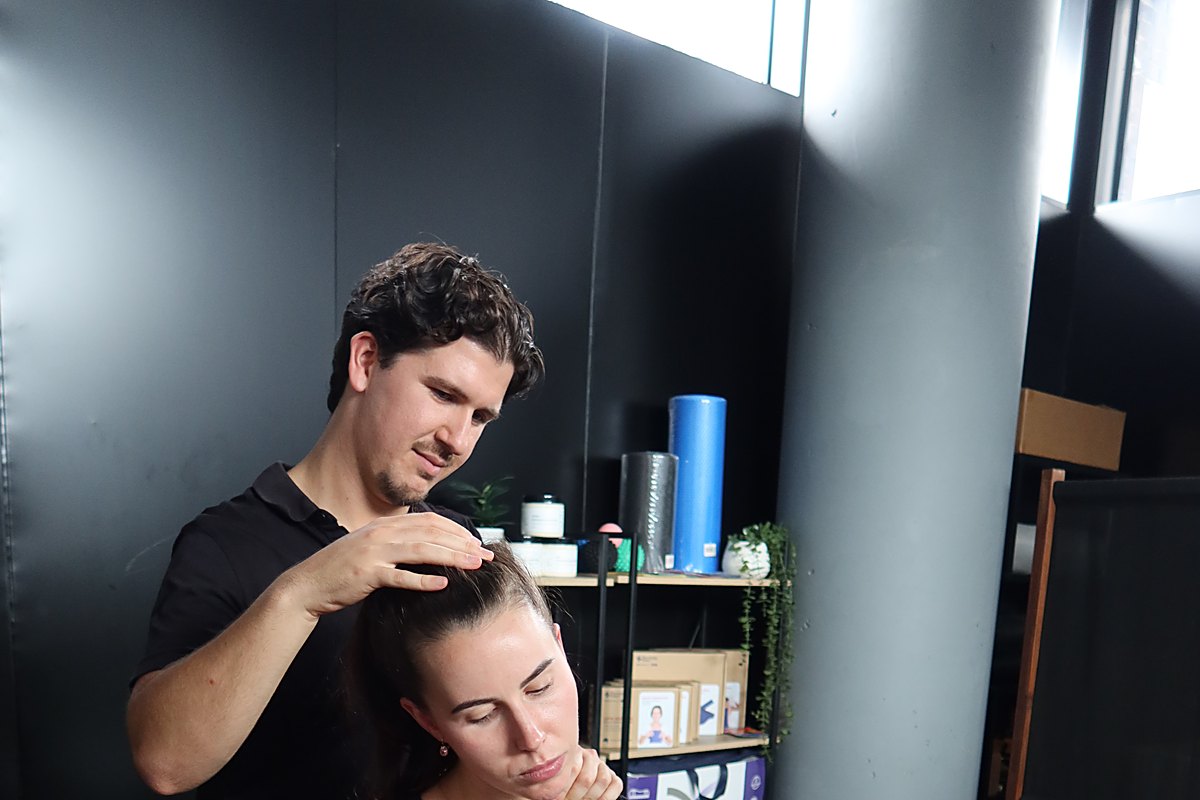
Many headaches have a neck and upper-back component, particularly for people who spend long hours at a desk or under stress. Where the neck is a contributing factor, osteopathy may help reduce how often and how badly headaches affect you. Not every headache is musculoskeletal, so a careful assessment matters: part of our job is working out whether your headaches are the kind osteopathy can help, and screening for the ones that need medical care.
What we commonly see
- Tension-type headaches
- Neck-related (cervicogenic) headaches
- Headaches linked to jaw tension, posture or desk work
- Tightness and restriction through the neck and upper back
- Headaches that flare with stress, poor sleep or long screen days
What we assess
Your appointment starts with a thorough history: the pattern, location and triggers of your headaches, any warning signs, your sleep, stress and work, and any medication you use. Then a physical assessment looks at how your neck and upper back move, the surrounding muscles, jaw and posture, and, where relevant, neurological checks (strength, reflexes and sensation). This helps us understand what may be feeding into your headaches and screen for anything that needs onward referral.
How we decide whether osteopathy is right for you
Osteopathy suits headaches with a clear neck or upper-back component, the kind that change with movement, position or muscle tension. Part of the assessment is checking for headaches that need a different pathway (see “When to seek other care” below). If osteopathy is a good fit, we will explain why and what the plan looks like. If it is not, we will tell you honestly and help you find the right care, whether that is your GP or another practitioner.
What the first appointment involves
- A detailed history and a plain-English discussion of your headaches
- A physical assessment, explained as we go
- A clear explanation of what is likely contributing
- Hands-on treatment where appropriate, plus advice and exercises
- Attention to contributing factors like desk setup, sleep and stress
- A plan you agree on together, with a sensible endpoint, not open-ended visits
Your first visit is a full initial consultation (around 60 minutes). Current fees and appointment lengths are shown when you book online.
Treatment options (and their limits)
Treatment is tailored to you and may include soft-tissue techniques, articulation and joint techniques for the neck and upper back, dry needling, cupping, and exercise rehabilitation. Hands-on care can help ease neck tension and movement, but lasting change usually comes from the active side: graded strength and mobility for the neck and upper back, plus managing triggers like sustained postures, sleep and stress. No technique is a guaranteed fix, results vary from person to person, and we are upfront about realistic timeframes. You are always in control, and nothing is done without your consent.
When to seek other care
Not all headaches are musculoskeletal. See your GP or urgent care promptly, rather than booking osteopathy first, if you have: a sudden, severe or “worst-ever” headache; a headache with fever, neck stiffness, a rash, or feeling generally unwell; vision changes, weakness, numbness, slurred speech or confusion; a headache after a head knock; or a new or changing headache pattern, especially over the age of 50. These are uncommon, but they need medical assessment.
Common questions
Do I need a referral? No. You can book directly. If you have a GP care plan or a WorkCover, TAC or DVA claim, see the FAQ for what to bring.
Do I need a scan? Usually not for tension-type or neck-related headaches. Imaging is reserved for specific clinical reasons, which we discuss after your assessment.
How many sessions will I need? It depends on your presentation and goals, and we discuss it after your assessment. The aim is a clear plan with an endpoint.
Can osteopathy treat migraine? Osteopathy does not cure migraine, but where neck tension is a contributing factor, hands-on care and self-management may help some people reduce how often or how badly attacks affect them. We are honest about what is likely to help and work alongside your GP where migraine is being medically managed.
Written and reviewed by Dr James Beninati (Osteopath), Bachelor of Health Science, Bachelor of Applied Science (Osteopathy), AHPRA registered. Last reviewed September 2026. More about James.
General information, not personal health advice. Sources: Better Health Channel on headache and migraine; Healthdirect Australia on headache types and when to seek help.